
How Do Porta Potties Work?
Under the seat sits a holding tank, usually 60 to 70 gallons, molded into the base of the unit. There's no water line running to it. Instead, a blue deodorizing chemical breaks down solids and keeps odor down between service visits. A standard unit stands about 92 inches tall and measures roughly 44 by 48 inches on the ground, so it fits into tight jobsite corners or backyard spots without much fuss. When a construction worker running to porta-potty on a break steps in, weight and use don't affect how it drains, because nothing drains. It just holds. Lancaster Porta Pros checks tank levels on the same visit that restocks paper and sanitizes the seat, based on the industry-standard interval in ANSI/PSAI Z4.3, which sets one service visit a week as the baseline for moderate use. If you're trying to figure out how many units a Lancaster site actually needs, the porta potty placement guide and the how many porta potties do I need page both walk through the math.
How Does a Portable Sink Work?
A portable sink runs on two separate tanks: one holds fresh water, the other catches gray water after it drains from the basin. A foot pump or a small internal pump pushes water up through the faucet, so nothing needs to be hooked to a building line. Soap gets loaded into a built-in dispenser, and under 29 CFR 1910.141(d)(2), a proper washing setup needs soap and towels or a hand-drying device, since hand sanitizer alone doesn't meet that standard. Crews doing agricultural work fall under a related rule, OSHA 1928.110, which calls for potable water and handwashing within a quarter mile walk of hand-labor employees. For a paired setup, a lot of Lancaster job sites rent a handwashing station rental alongside standard units, and the portable sink rental page has the tank sizes and daily numbers.
How Do Flushable Porta Potties Work?
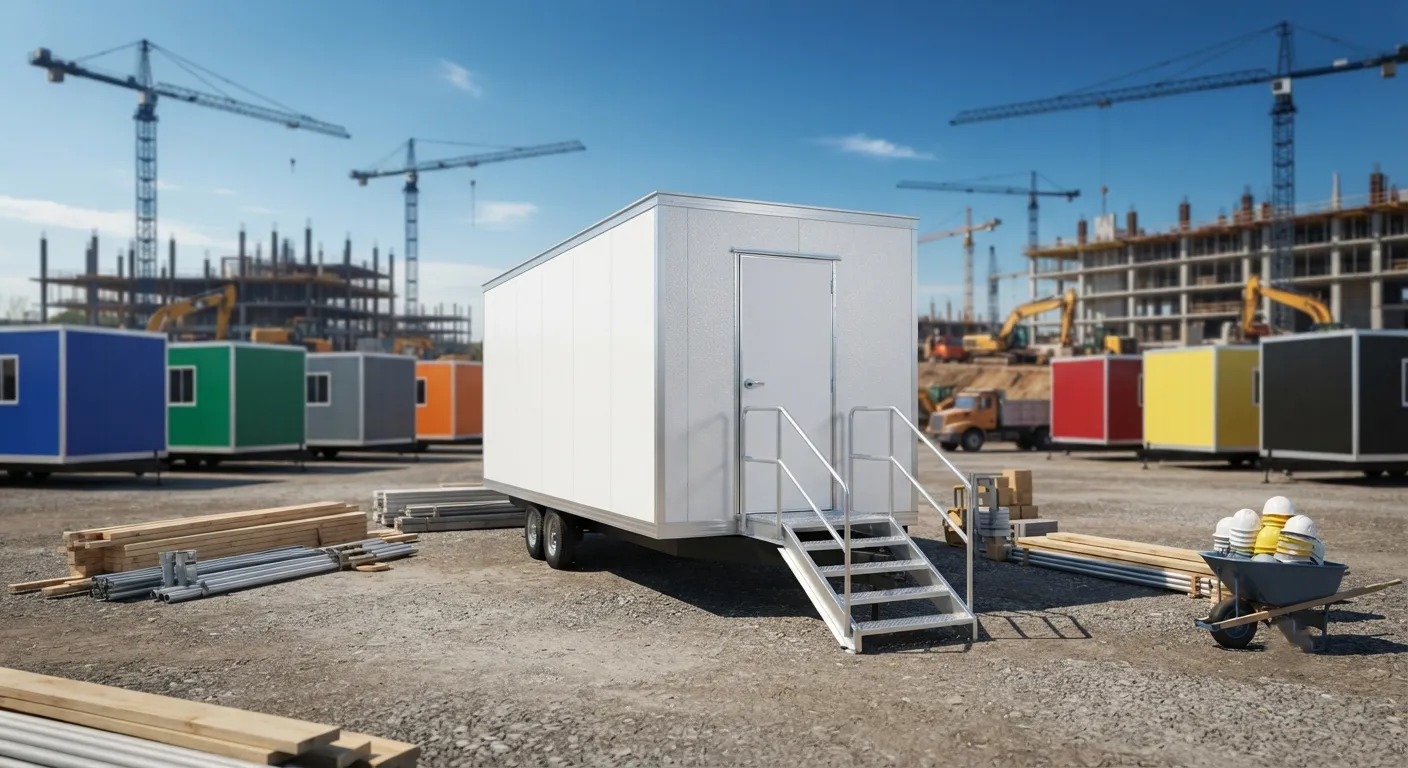
A flushable or deluxe unit adds a small onboard freshwater tank and a hand-pump or foot-pump flush that rinses the bowl into the holding tank below, so it feels closer to a home bathroom. Some higher-end units and full restroom trailer rental setups run on a low-volume flush tied to an internal pump system instead of gravity. These cost more to rent than a standard unit, since they need more parts serviced and more water hauled in. The deluxe flushable porta potty page breaks down what's inside the unit, and if you're weighing whether a event needs the upgrade, the luxury restroom trailer and wedding restroom rental pages compare options. Sinks in these units work the same way as the standalone portable sink rental, just built into the same shell as the toilet.
Do Camping Porta Potties Work the Same Way?
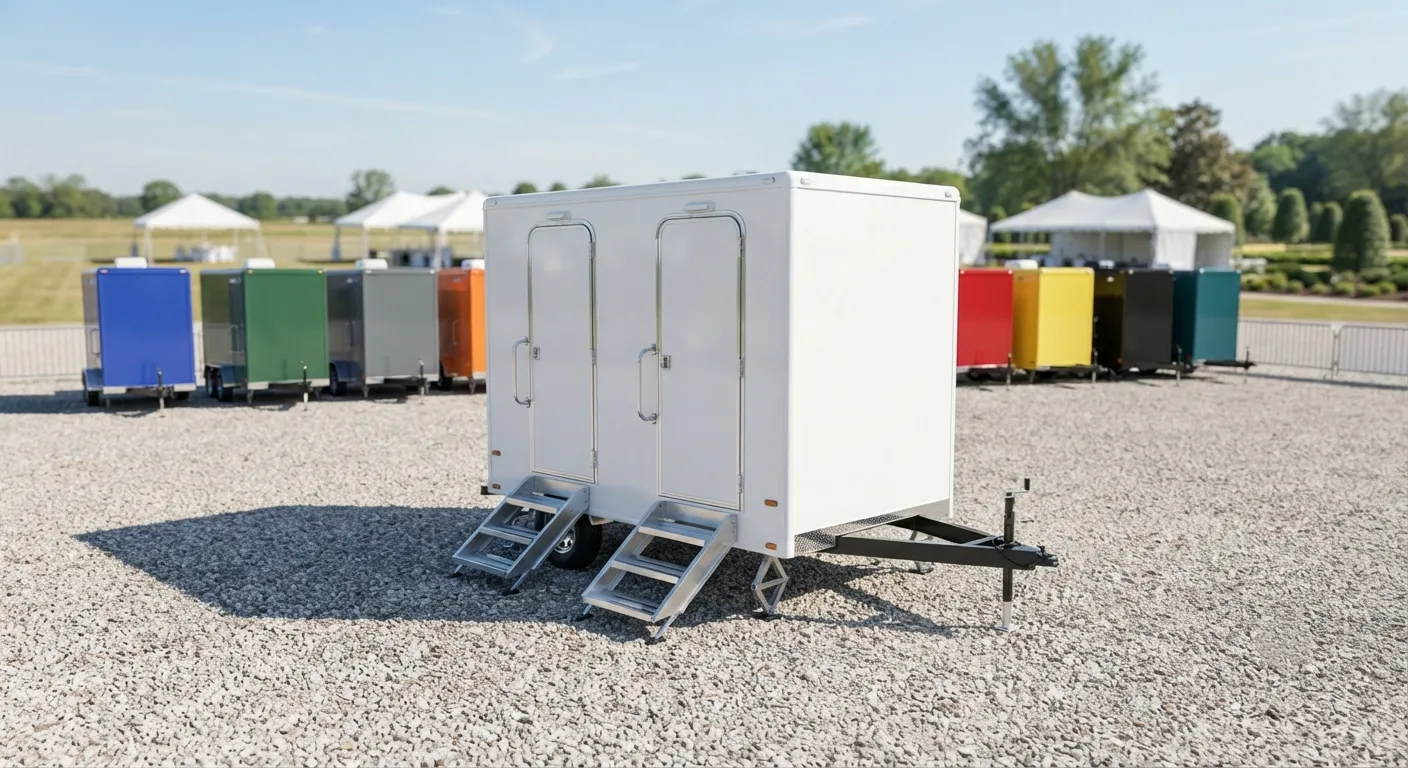
Camping units work the same way at a smaller scale: a sealed lower tank, a hand-pump flush, and a separate fresh water reservoir, built small enough to carry in a trunk or strap to an RV. They're not tied to a jobsite service schedule the way rental units are, so the user empties and rinses the tank instead of a company doing it. For a group camping trip or an outdoor gathering near Lancaster, renting from the camping porta potty lineup skips that chore, since Lancaster Porta Pros handles the pump-out on its own truck. Anyone stocking a unit themselves should stick with chemicals made for portable toilets. Septic tank cleaning chemicals and standard porta potty deodorizers are formulated differently, and using septic-safe treatments meant for a 1,000 gallon home tank in a small portable unit's tank can throw off the breakdown process the smaller tank depends on.
Rental Pricing at a Glance
| Unit type | Day | Week | Month |
|---|---|---|---|
| Standard | $100 - $350 | $130 - $500 | $125 - $325 |
| ADA accessible | $200 - $400 | $240 - $500 | - |
| Deluxe flushable | $85 - $1,200 | $150 - $290 | - |
Prices vary by how long you need the unit and how far Lancaster Porta Pros has to haul it. Full cost breakdowns live on the porta potty rental cost, porta potty rental per day, and monthly porta potty rental pages. Jobsites with 20 or fewer workers need just one toilet facility under OSHA 1926.51(c), and that ratio steps up as crew size grows, which the construction site services page covers in more detail. Accessible placement follows ADA Standards 213.2, requiring at least one accessible unit in any cluster.
What chemicals go inside a porta potty?
A blue deodorizing chemical, added to the holding tank, breaks down waste and masks odor between service visits. It's different from septic tank cleaning chemicals made for a 1,000 gallon home tank. Lancaster Porta Pros stocks the right one and adds it during every scheduled service.
How often does Lancaster Porta Pros service a unit?
Weekly is the standard baseline for moderate use, per ANSI/PSAI Z4.3. Busy events or large crews often need two or three visits a week. Lancaster Porta Pros sets the schedule based on headcount and hours on site, not a flat default.
Do porta potties need a water hookup?
No. The tank below the seat holds waste on its own, and any onboard flush uses a small internal freshwater reservoir instead of a plumbed line. That's what makes units easy to drop at a site near Quartz Hill or out toward Rosamond without running pipe.
Can a porta potty be used in freezing weather?
Yes, with antifreeze-based chemical added to the tank instead of the standard summer treatment. The porta potty in winter page covers what changes. Lancaster doesn't see deep freezes often, but a cold snap still calls for the swap.
What's the difference between a standard and an ADA unit?
An ADA unit is wider inside, with a 60 inch turning circle under ADA Standards 304.3.1 and a 32 inch minimum door opening under ADA Standards 404.2.3. A standard unit skips those clearances and costs less per day.
Next step
Get a delivery date
Tell us the address, the dates and the headcount. We size the order and confirm the route.