
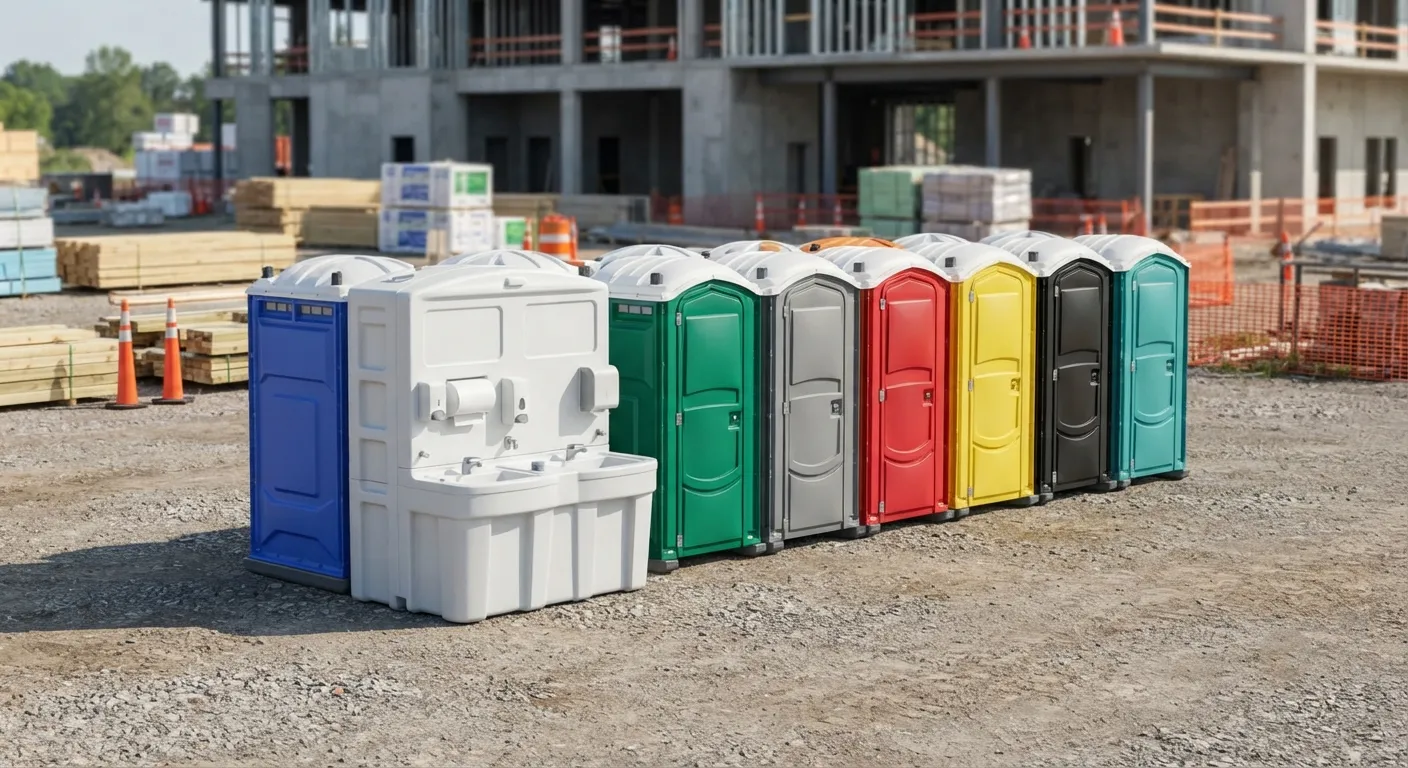
What does OSHA actually require for handwashing?
The rule people misquote most is 1926.51(f)(1). It only kicks in where employees are applying paints, coatings, herbicides or insecticides, or working around similar contaminants. It is not a blanket handwashing mandate for every construction site. General toilet and sanitation counts on a construction site come from OSHA 1926.51(c) instead, which sets facility ratios by crew size. If your operation falls under general industry rather than construction, the applicable rule is 1910.141(c)(1)(i), and washing facilities themselves need soap and towels or a hand dryer under 29 CFR 1910.141(d)(2). Hand sanitizer alone does not satisfy that regulation, even though it is fine as a supplement. Agricultural operations in the Antelope Valley have their own standard: OSHA 1928.110 calls for potable water, toilets and handwashing within a quarter mile walk of hand-labor workers, at one facility per 20 employees. If you run a farm crew outside Lancaster proper, this is the rule that governs you, not the construction table. We size stations against whichever citation actually applies, not by guesswork, and we'll walk the job with you before quoting a handwashing station rental.
How many handwashing stations do I need?
Start with your headcount and your industry, then match it to the right citation. A construction crew of 25 falls under OSHA 1926.51(c) for toilets, but if anyone on that crew is spraying coatings or herbicide, 1926.51(f)(1) adds a washing station obligation on top. ANSI/PSAI Z4.3 sets the baseline service interval for portable sanitation at one visit per week for up to 10 users across a 40 hour week, and that same interval works fine for planning handwash station servicing alongside your portable toilet rental order. Bigger crews need more frequent service, not more units necessarily. For a wedding or event in Lancaster, headcount planning looks different entirely; check our how many porta potties do I need guide before you order, since restroom counts and handwash counts don't scale the same way. Farm operations under 1928.110 need a facility within a quarter mile walk of every hand-labor employee, which usually means more stations spread across a field than a compact job site would need.
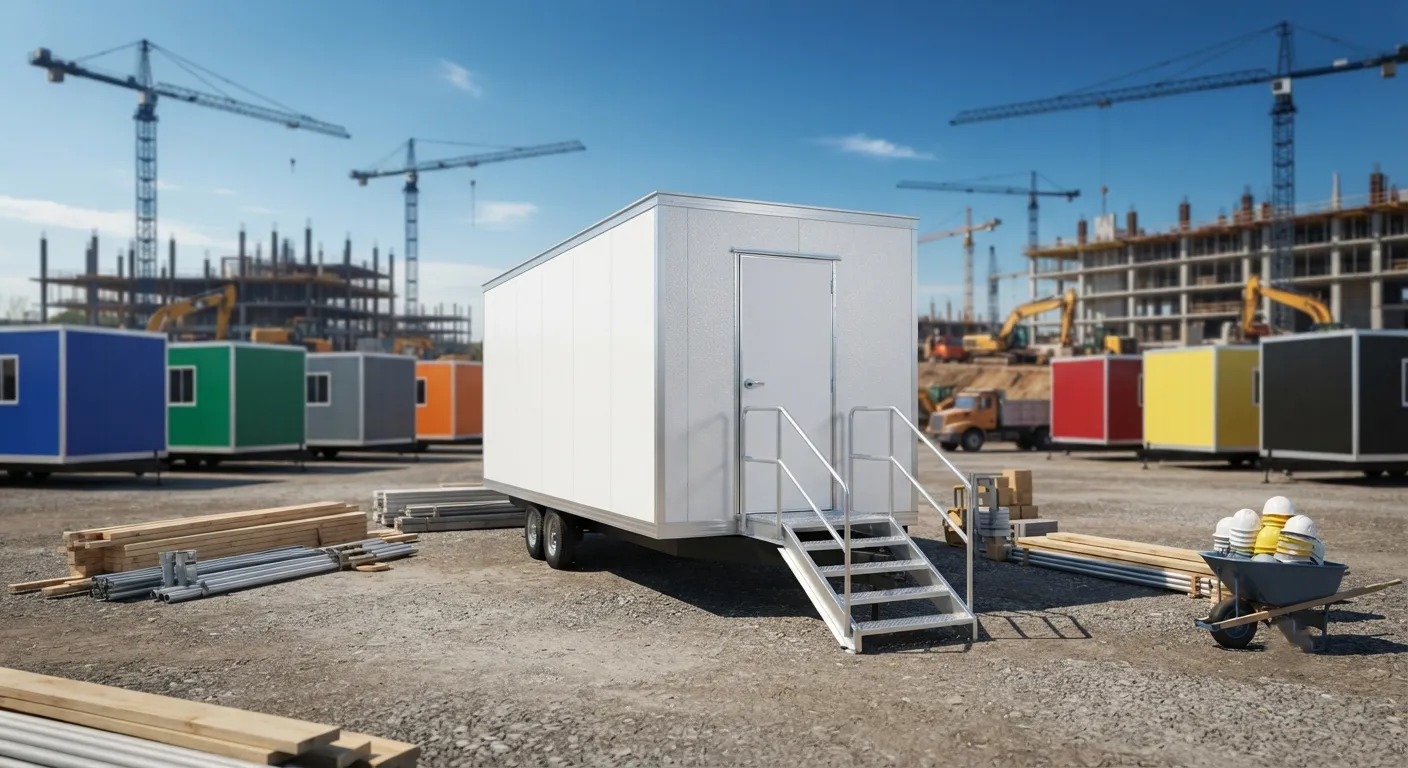
Where should stations be placed on site?
Placement matters as much as count. If you're clustering multiple single-user units, ADA Standards section 213.2 requires at least 5 percent to be accessible, and never fewer than one, so plan your ADA accessible porta potty placement into the layout from day one, not as an afterthought. Accessible units need a 60 inch turning circle per ADA 304.3.1, a 32 inch clear door opening under 404.2.3, and a stable, slip-resistant surface under 302.1. If you're placing anything in the public right of way along a Lancaster street or sidewalk, that needs confirming with the city directly. We don't guess at right-of-way rules and neither should you. For sites needing a firm path from the road, remember a roll-off delivery needs about 60 feet of straight clearance behind the truck, which affects where you can stage a roll-off dumpster rental next to your handwash setup. Keep debris clear of walkways too. OSHA 1926.25 covers general housekeeping, and a cluttered path to a handwash station defeats the purpose of having one.
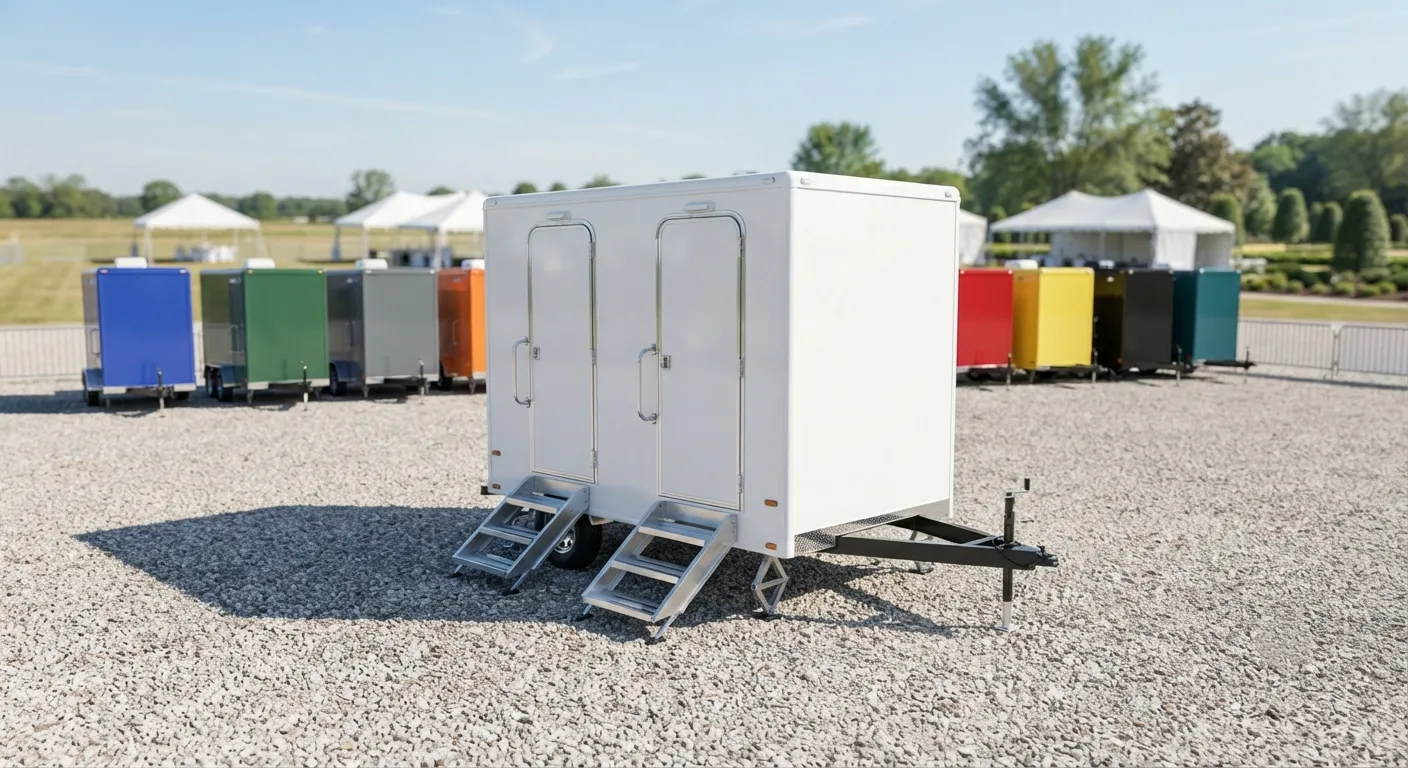
Do handwashing stations need potable water?
Yes. OSHA 1926.51(a)(1) requires an adequate supply of potable water at all places of employment, and that applies whether you're running a construction site services job or hosting a festival restroom rental setup for a weekend crowd. Our stations arrive with fresh water tanks, not connections you have to plumb yourself, which matters for a job site in Lancaster that has no permanent water line nearby. Grease and food service operations have their own maintenance trigger separate from handwashing: a grease interceptor gets pumped once fats, oils, grease and solids hit 25 percent of the liquid depth, which is worth knowing if you're also running a grease trap pumping schedule alongside restroom service. For events, pairing a portable sink rental with a hand sanitizer station rental covers both the regulatory box and the practical one, since sanitizer alone doesn't meet 29 CFR 1910.141(d)(2) but works well as backup between service visits.
FAQ
Does hand sanitizer meet OSHA's handwashing requirement?
No. 29 CFR 1910.141(d)(2) requires soap and towels or a hand-drying device at washing facilities. Sanitizer is a good supplement between services but it does not replace an actual sink setup. If your job needs compliant washing, order a portable sink rental rather than relying on sanitizer alone.
Is 1926.51(f)(1) required on every job site?
No. It only applies where workers are applying paints, coatings, herbicides or insecticides, or exposed to similar contaminants. A standard framing or concrete crew in Lancaster generally falls under 1926.51(c) toilet counts instead, not the washing facility rule.
Can I place a handwashing station in the street or sidewalk?
That depends on Lancaster's right-of-way rules, which need confirming with the city before you set anything up. We can help plan placement on private property or a job site interior in the meantime; see our porta potty placement guide for layout basics.
What is the difference between construction and farm handwashing rules?
Construction crews fall under OSHA 1926.51(c) and 1926.51(f)(1) when contaminants are involved. Agricultural hand-labor crews fall under 1928.110, which requires a facility within a quarter mile walk, one per 20 workers. Check our farm and agricultural restrooms page for setups built around that standard.
Do accessible handwashing stations need extra clearance?
Yes. ADA Standards call for a 60 inch turning circle under 304.3.1 and a 32 inch clear door opening under 404.2.3. Reach ranges are capped at 48 inches high and 15 inches low per 308.2.1. See ADA restroom requirements for full station specs.
Next step
Get a delivery date
Tell us the address, the dates and the headcount. We size the order and confirm the route.