
How Often Does a Septic Tank Need Cleaning?
Three to five years is the standard interval, but it moves depending on how many people live in the house and how big the tank actually is. A family of six on an 800 gallon tank fills up faster than a couple on a 1,200 gallon tank, and that's just math. Lancaster homes on well water and septic systems, especially out toward Quartz Hill or Leona Valley, tend to run on the shorter end of that window because lot sizes and usage patterns vary more than in a dense subdivision. If you're not sure what size tank you have, that's the first thing to find out before guessing at a schedule. Grease and heavy solids change the math too. A grease interceptor gets pumped once fats, oils, grease and solids hit 25 percent of the liquid depth, which is a different clock than a household tank runs on. Restaurants and commercial kitchens in Lancaster should read up on grease trap pumping separately, since it's not the same service or the same interval as a home septic tank. For anyone renting instead of owning a fixed system, a holding tank rental runs on a service schedule, not a calendar guess.
What Happens If You Wait Too Long?
Solids build up, the outlet baffle clogs, and eventually wastewater backs up into the house or pools in the yard. That's the short version. The longer version is a slow decline: slower drains, gurgling pipes, and a lawn that's suspiciously green in one patch. If you're noticing any of that already, don't wait for the "right" pumping year. Check our page on septic tank warning signs and get ahead of it. Emergency calls cost more than scheduled maintenance almost every time, and a full backup in a Lancaster household usually means calling for emergency septic service on a weekend, which nobody wants to do. Pumping on schedule is cheaper than pumping in a panic. It's also worth knowing what a normal service visit looks like: a technician pulls the lid, checks scum and sludge layers, and pumps out what's there. If you want the cost side of that conversation before you call, septic tank pumping cost breaks down what to expect for a standard residential job.
Why Does Household Size Change the Schedule?
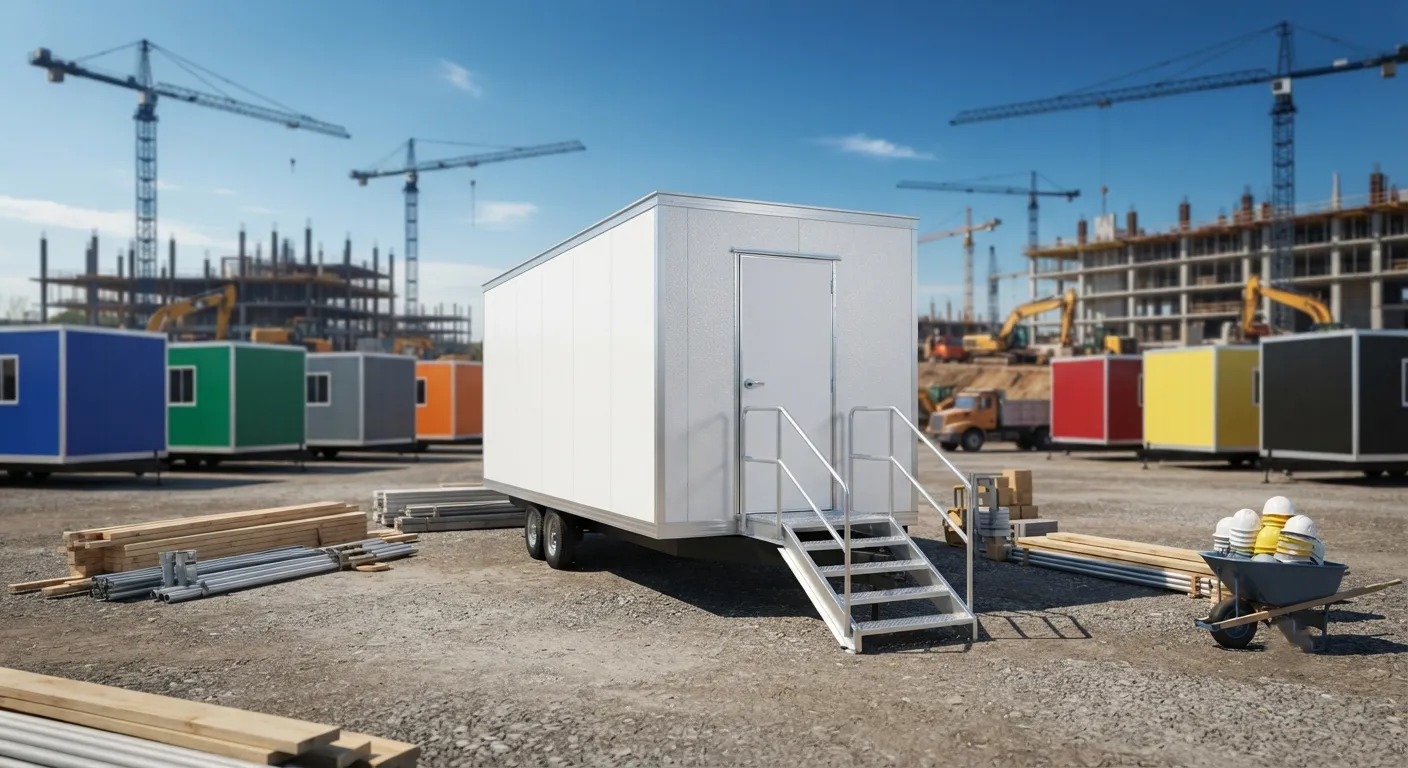
More people means more water, more solids, and a faster fill rate, plain and simple. A two-person household might stretch to the five-year mark without trouble. A family of five or six, especially with a garbage disposal in heavy use, might need to look at pumping closer to every three years. Septic systems don't care about your calendar, they care about volume in versus solids settled. If you've added people to the household, a new tenant, a returning adult child, a home addition with another bathroom, it's worth reassessing rather than sticking to whatever schedule the last owner used. For construction projects that add plumbing fixtures, construction site services in Lancaster often need to account for temporary sanitation while the septic system is upgraded or inspected. And if you're mid-renovation and the bathroom is out of commission, a home renovation porta potty covers the gap without stressing the existing tank.
Is There a Difference Between Pumping and Cleaning?
Pumping removes liquid and settled solids from the tank; cleaning is the more thorough scrub-out that includes breaking up compacted sludge and checking baffles and outlets. Most routine visits are pumping jobs. A full cleaning gets scheduled less often, usually when a tank has gone past its interval or shows signs of heavy buildup. Our septic tank cleaning page covers what that deeper service actually involves, and septic pumping service covers the routine maintenance most Lancaster homeowners actually book. Neither one is optional forever. A tank that's never been cleaned, only pumped, eventually accumulates enough hardened solids that pumping alone stops being effective.
| service | duration | low | typical | high |
|---|---|---|---|---|
| septic | day | $150 | $250 | $300 |
| septic | weekend | $50 | $100 | $150 |
Weekend septic calls in Lancaster run in that lower band because they're typically shorter jobs than a full weekday pump-out with drive time and disposal included.
How do I know what size tank I have?
Check your home's original permit records or ask the last person who pumped it. Tank size drives the whole schedule, since a 1,000 gallon tank and a 1,500 gallon tank fill at very different rates for the same household. If you can't find records, a technician can estimate it during the first service visit.
Can I extend the time between pumpings?
Somewhat, by watching water use and avoiding garbage disposals, but you can't outrun physics forever. Even a light-use household on a large tank should stay within the 3 to 5 year window. Skipping maintenance entirely just moves the cost from routine to emergency.
Does a bigger household always mean more frequent pumping?
Usually, yes. More residents means more water and more solids entering the tank. A household of six on a small tank could need service closer to every two to three years, while a couple on a properly sized tank might stretch toward five.
What's the difference between septic pumping and a portable holding tank?
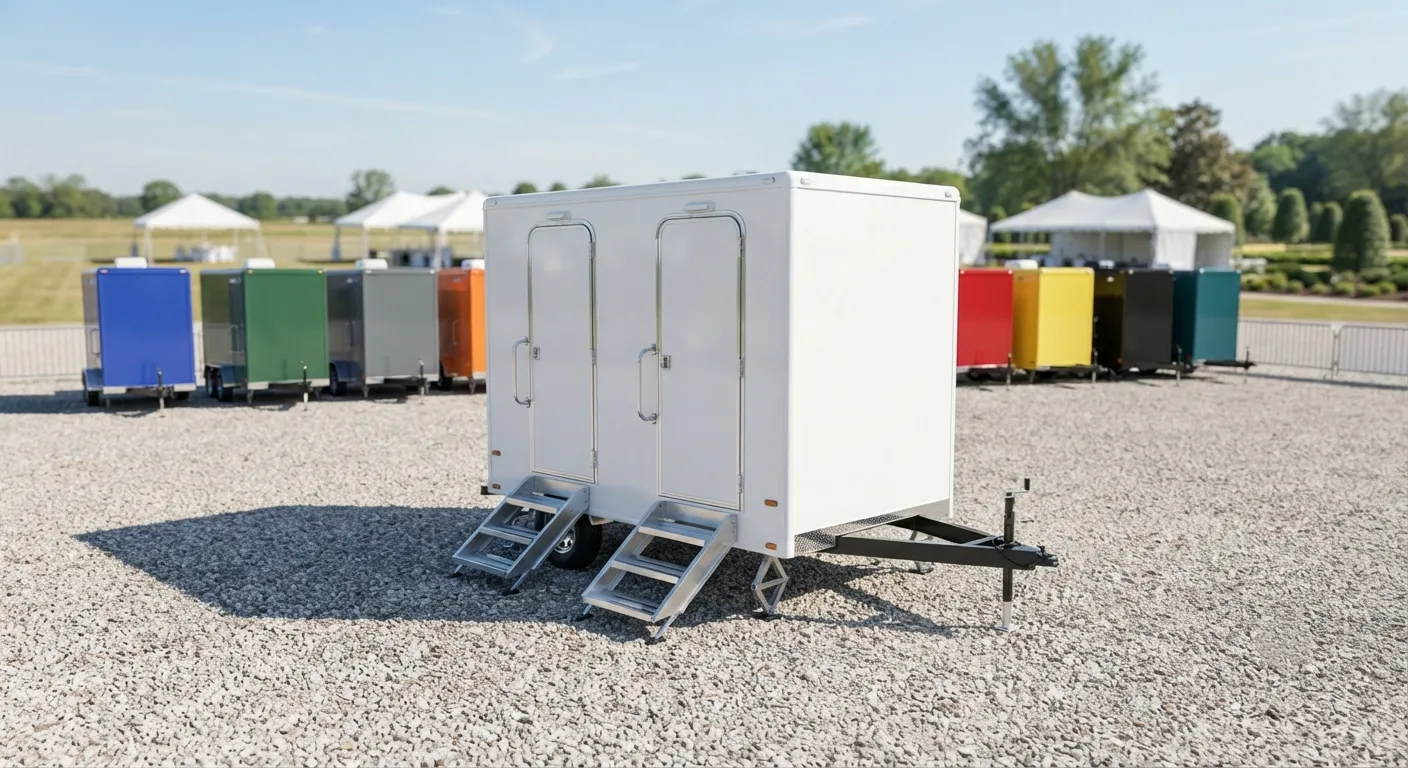
A septic tank is a fixed, in-ground system for a property's wastewater. A holding tank rental is a temporary, above-ground unit used during construction, events, or system repairs. They serve different needs and run on completely different service schedules.
Who do I call in Lancaster for septic pumping?
Lancaster Porta Pros handles routine and emergency septic pumping across Lancaster, including nearby areas like Rosamond and Acton. Request a visit through request a quote or check contact for direct scheduling.
Next step
Get a delivery date
Tell us the address, the dates and the headcount. We size the order and confirm the route.