
How many units do I need?
Start with headcount, not guesswork. OSHA 1926.51(c) sets the baseline for construction crews: one toilet for 20 workers or fewer, then one toilet seat and one urinal per 40 workers once you pass 20, and one per 50 once you hit 200 or more. Farms with hand-labor crews fall under a different rule, OSHA 1928.110, which calls for one facility per 20 employees within a quarter mile walk, plus potable water. Events run on a headcount-per-hour model instead. If you are still not sure which bucket your job falls into, the how many porta potties do I need guide breaks down the math, and the full OSHA portable toilet requirements page covers the ratios in more depth. General potable water access also falls under OSHA 1926.51(a)(1), which is worth knowing if your Lancaster site has no other water source. For most jobsites a standard porta potty rental covers the count; for weddings or corporate events, step up to a deluxe flushable porta potty.
What size and clearance does the unit need?
A standard unit measures about 44 by 48 inches on the ground and stands roughly 92 inches tall, with a 60 to 70 gallon holding tank. Measure your placement spot against that before delivery day, not after the truck is already in Lancaster traffic. If anyone on site uses a wheelchair, ADA Standards section 213.2 requires at least one accessible unit in any cluster, and never fewer than one even for a small job. The ADA accessible porta potty meets the wider clearances: ADA 403.5.1 sets a 36 inch accessible route, ADA 404.2.3 calls for a 32 inch clear door opening, and ADA 304.3.1 requires a 60 inch turning circle inside. Ground surface matters too. ADA 302.1 says the surface has to be stable, firm and slip resistant, which rules out loose gravel or soft turf as a pad. Check the full ADA restroom requirements page before you finalize placement, and review the porta potty placement guide for guidance on distance from doors, slope and truck access.
Where can I legally place a porta potty in Lancaster?
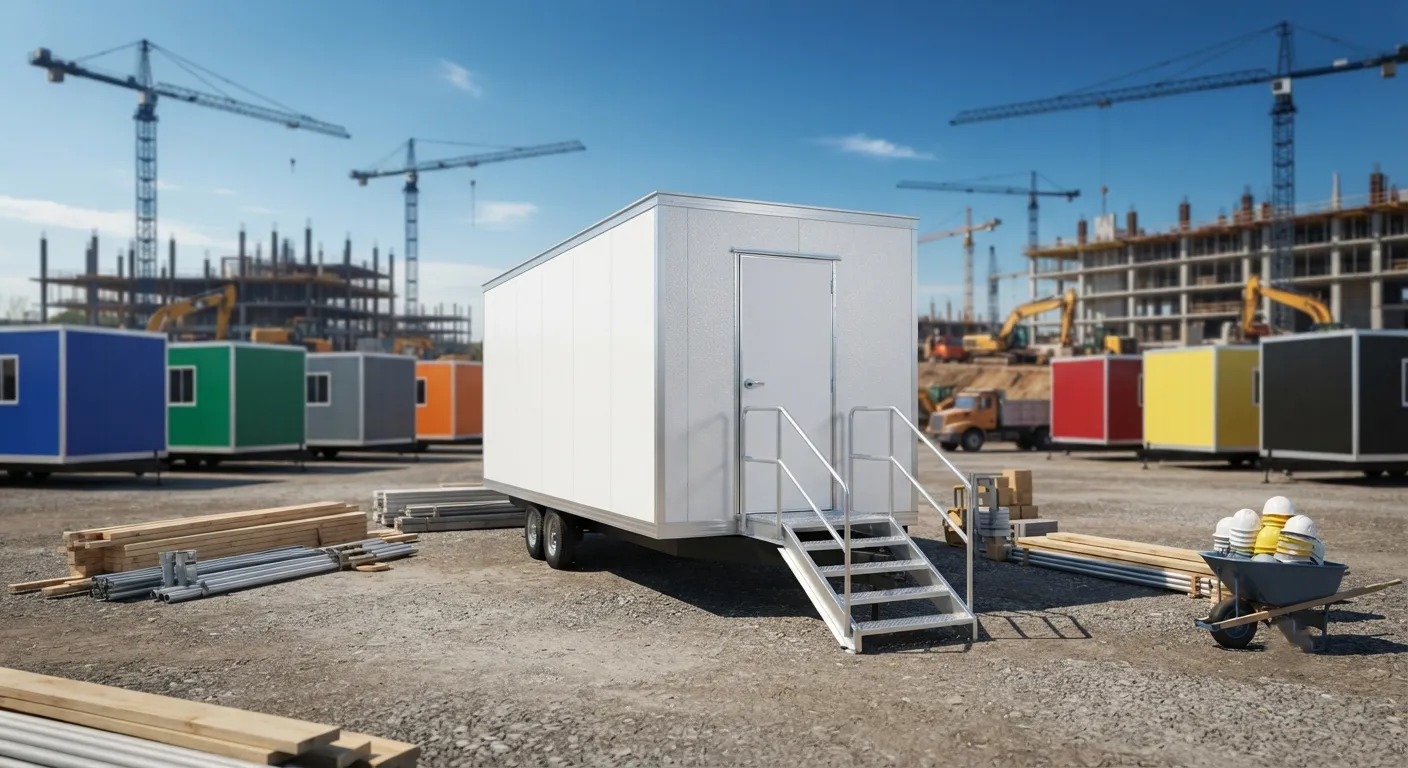
Placement rules depend on whether the unit sits on private property or touches the public right of way, and that second case needs confirming directly with the City of Lancaster rather than assumed. Keep units off sidewalks and clear of fire lanes regardless. If your job is 5.6 miles southwest in Quartz Hill or 15.4 miles north in Rosamond, the same placement logic applies, but always check locally rather than carrying one city's rule into another. The porta potty permit requirements page and the broader dumpster permit requirements page (relevant if you are renting a roll-off alongside your toilets) both flag this as a step to confirm rather than assume. For construction sites, OSHA 1926.25 also requires clearing scrap and debris from work areas, so plan the toilet pad somewhere that will not turn into a staging pile by week two. Review the porta potty placement guide and the Lancaster service page for delivery zone specifics before you commit to a spot.
How often does the unit need to be serviced?
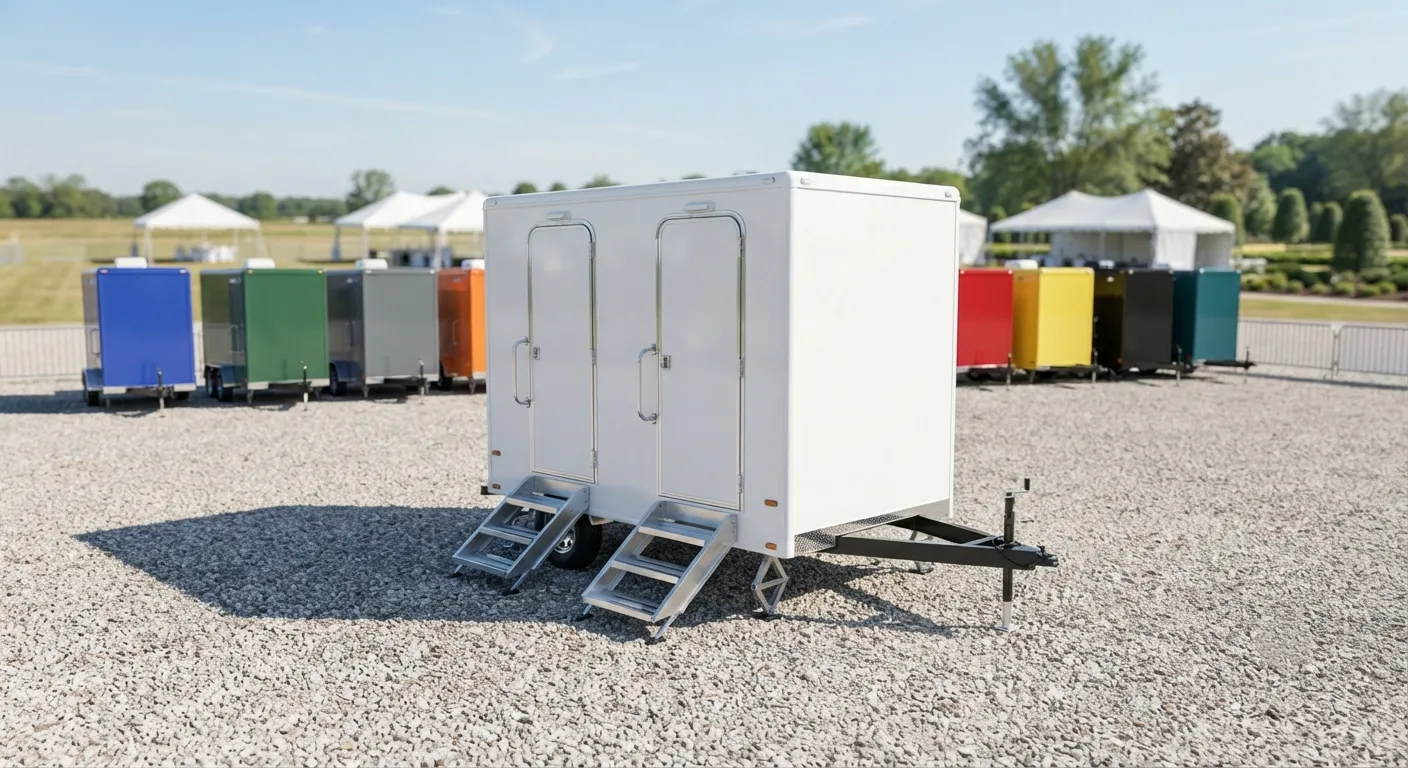
ANSI/PSAI Z4.3 sets the baseline at one service visit per week for up to 10 users across a 40 hour work week; busier sites or event weekends need more frequent pumping. Handwashing matters just as much as the toilet itself. General industry facilities fall under 29 CFR 1910.141(c)(1)(i) for toilet ratios and 1910.141(d)(2) for washing, which requires soap and towels or a hand-drying device. Hand sanitizer alone does not satisfy that rule. If your crew is applying paint, coatings, herbicides or insecticides, OSHA 1926.51(f)(1) kicks in separately and requires washing facilities for exactly those contaminant situations. Pair your toilet order with a handwashing station rental or a portable sink rental to cover both rules at once, and check handwashing requirements if you are unsure which standard applies to your crew. For septic-side maintenance, a typical 1,000 gallon residential tank gets pumped every 3 to 5 years depending on household size and tank capacity, a good add-on question if you are also scheduling septic pumping service or want to understand how often to pump a septic tank.
| unit | duration | typical price |
|---|---|---|
| standard | day | $150 |
| standard | week | $200 |
| standard | month | $200 |
| ada | week | $185 |
| deluxe | week | $250 |
Check porta potty rental cost or monthly porta potty rental for the full price breakdown by duration, and porta potty rental per day if you only need a unit for a single day of work.
How far in advance should I book a porta potty in Lancaster?
Book standard units a few days ahead for routine jobs; move fast for weekend events since demand spikes then. Large jobs needing multiple restroom trailer rental units or a 4 stall restroom trailer need more lead time for scheduling and delivery routing.
Do I need a permit for a porta potty on my property?
Private property placement usually does not need a permit. Right-of-way placement is not verified here and needs a direct check with the City of Lancaster. See porta potty permit requirements for what to ask.
Can I get a porta potty for just one weekend?
Yes. Weekend rates run higher than a single weekday because of the short turnaround, but they cover Friday delivery through Monday pickup. Ask about event restroom rental if it is tied to a wedding or festival.
What if I need a porta potty on short notice?
Same-day and next-day delivery is often possible depending on route and unit availability. Check emergency porta potty rental for how that works.
Should I rent a dumpster alongside my porta potty for a renovation?
Most renovation jobs generate debris that a toilet rental will not cover. Pair your unit with a roll-off dumpster rental or check home renovation porta potty for a combined approach.
Next step
Get a delivery date
Tell us the address, the dates and the headcount. We size the order and confirm the route.